
Last updated: March 2026 · By BestMattressAustralia · 6 min read
Why Clean Your Mattress?
Your mattress collects dead skin cells, sweat, dust mites, and bacteria every single night. Over a year, an average mattress absorbs roughly 100 litres of sweat. In Australia’s humid climate — especially during Sydney and Brisbane summers — this creates an ideal breeding ground for dust mites and mould.
Regular cleaning extends your mattress lifespan by 2-3 years, reduces allergy symptoms (sneezing, itchy eyes, congestion), eliminates odours, and keeps your warranty valid (many brands void warranties for stained mattresses).
What You’ll Need
- Vacuum cleaner with upholstery attachment
- Baking soda (bicarb soda)
- White vinegar
- Spray bottle
- Clean cloths or paper towels
- Cold water
- Mild dish soap or enzyme-based cleaner
- Essential oil (optional — tea tree or eucalyptus work well for antibacterial properties)
Step-by-Step: Regular Mattress Cleaning
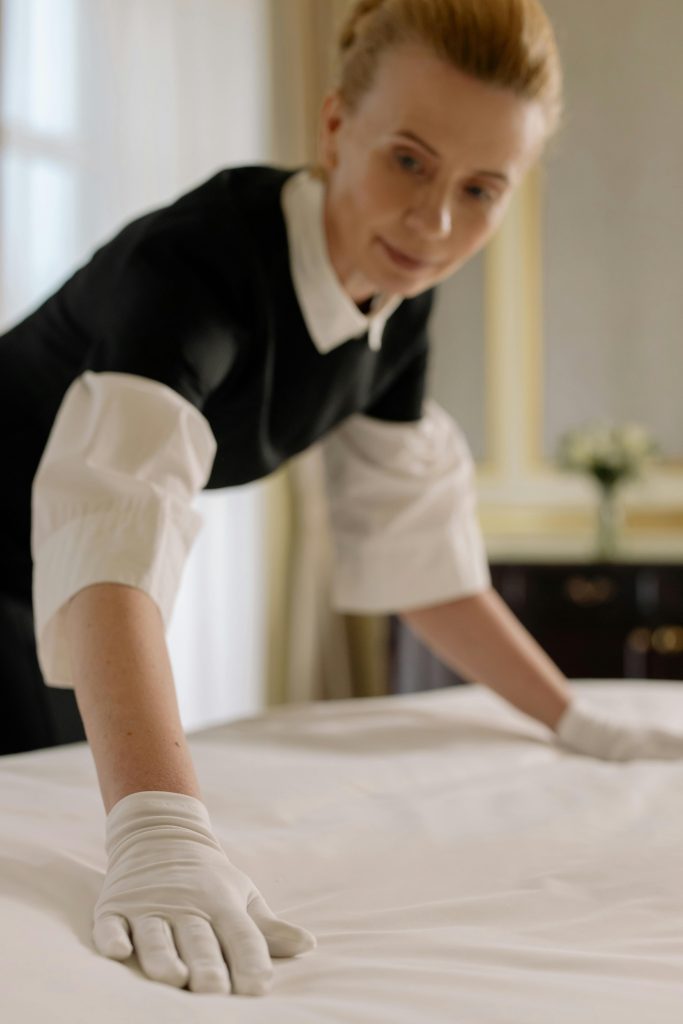
Step 1: Strip the Bed
Remove all bedding — sheets, protectors, pillows, toppers. Wash everything in hot water (60°C if the fabric allows) to kill dust mites.
Step 2: Vacuum the Entire Surface
Using the upholstery attachment, vacuum the top, sides, and seams of the mattress. Pay extra attention to seams and crevices where dust mites and dead skin accumulate. Do this slowly and thoroughly — rushing reduces effectiveness.
Step 3: Spot Clean Stains
For fresh stains: blot (don’t rub) with a clean cloth and cold water. For set-in stains: mix 1 tablespoon dish soap + 1 tablespoon white vinegar + 250ml cold water in a spray bottle. Spray lightly on the stain, wait 10 minutes, then blot with a clean damp cloth. For stubborn stains: use an enzyme-based cleaner (available at Woolworths or Coles) — these break down organic stains like sweat, blood, and urine.
Important: Never soak the mattress. Excess moisture can damage foam layers and create mould — especially in foam mattresses like Ecosa, Emma, or OneBed.
Step 4: Deodorise with Baking Soda
Sprinkle a generous layer of baking soda over the entire mattress surface. For extra freshness, add 5-10 drops of tea tree or eucalyptus essential oil to the baking soda before sprinkling. Leave it for at least 30 minutes — ideally 2-4 hours. The baking soda absorbs moisture, neutralises odours, and helps kill bacteria.
Step 5: Vacuum Again
Thoroughly vacuum up all the baking soda. Check seams and edges — baking soda loves to hide in crevices.
Step 6: Air Out
If possible, open windows and let fresh air circulate around the mattress for a few hours. In dry Australian weather, this helps evaporate any remaining moisture. If you can safely move the mattress outdoors into sunlight for 1-2 hours, UV rays are a natural disinfectant — but avoid prolonged exposure as it can damage some foam materials.
Step 7: Protect
Put on a clean mattress protector before remaking the bed. A waterproof protector is the single best investment for mattress longevity — it prevents future stains and makes cleaning much easier. Most mattress brands recommend using a protector; Ecosa even includes a free one with every mattress.
How to Handle Specific Stains
Blood Stains
Use cold water only (hot water sets blood stains permanently). Apply hydrogen peroxide (3%) directly to the stain, let it fizz for 5 minutes, then blot with a cold damp cloth. Repeat if needed.
Urine Stains
Blot fresh urine immediately. Spray with white vinegar solution, blot, then cover with baking soda for 8+ hours. Vacuum and repeat if odour remains. Enzyme-based cleaners work best for old urine stains.
Sweat Stains / Yellowing
Mix equal parts hydrogen peroxide, liquid dish soap, and baking soda into a paste. Apply to the stain, let sit for 30 minutes, then scrub gently with a soft brush and wipe clean.
Mould
This is common in humid Australian climates. Vacuum the area first, then spray with undiluted white vinegar. Let it sit for 1 hour, then wipe with a damp cloth and allow to dry completely in sunlight if possible. If mould is widespread, the mattress may need replacing.
How Often Should You Clean Your Mattress?
| Task | Frequency |
|---|---|
| Wash sheets and pillowcases | Weekly |
| Wash mattress protector | Monthly |
| Vacuum mattress surface | Every 2-3 months |
| Full deep clean (baking soda + spot clean) | Every 6 months |
| Rotate mattress (180°) | Every 3-6 months |
| Replace mattress | Every 7-10 years |
Cleaning Tips by Mattress Type
Memory foam (Ecosa, Emma, Ergoflex): Never soak. Spot clean only. These foams absorb water and can develop mould if not dried properly.
Hybrid/spring (Sleep Republic, Origin, Luxara): Same spot-cleaning rules. Springs aren’t affected by moisture but the foam layers above them are.
Latex (OneBed): Latex is naturally antibacterial and resistant to dust mites. Still vacuum regularly but latex requires less intensive cleaning.
Removable covers: If your mattress has a removable, washable cover (Ecosa, OneBed, Ergoflex), unzip and machine wash it according to the brand’s instructions. This is the easiest way to keep your mattress hygienic.
Frequently Asked Questions
Q: Can I use a steam cleaner on my mattress? Not recommended for foam mattresses — the moisture can damage foam cells and create mould. For innerspring mattresses, light steaming is generally okay but ensure the mattress dries completely.
Q: Does baking soda really work? Yes. Baking soda is mildly alkaline, which neutralises acidic odour compounds (like sweat). It also absorbs moisture. It won’t kill all bacteria, but combined with vacuuming it’s very effective.
Q: How do I get rid of dust mites? Washing bedding at 60°C kills dust mites. Regular vacuuming reduces their numbers on the mattress. A waterproof protector creates a barrier. For severe allergies, consider a mattress with antimicrobial properties like Luxara (Sensitive Choice approved) or Ergoflex (OEKO-TEX certified).
Looking for a new mattress? See our Best Mattress Australia 2026 comparison or take our 60-second Mattress Quiz.
Affiliate Disclosure: We may earn a commission through affiliate links at no cost to you.